Choosing Between Natural and Lab Grown Diamond Necklaces
Understanding the Two Paths to a Diamond Necklace
When you start looking for a diamond necklace, one of the first decisions you face is whether to choose a natural diamond or a lab grown diamond. Both types of stones share the same physical, chemical, and optical properties. The differences lie in their origin, their rarity, and how they are valued. For many buyers, the choice comes down to personal priorities: tradition versus innovation, budget versus perceived value, and the emotional weight of wearing a stone that formed deep within the earth over millions of years.
Natural diamonds are mined from the earth. They are finite resources, and each stone carries a story of geological processes that took place long before humans existed. Lab grown diamonds are created in controlled environments using advanced technology that replicates the conditions under which natural diamonds form. The result is a diamond that is chemically identical to a natural one, but with a different history. Understanding these differences helps you decide which type of diamond necklace suits your needs, your budget, and your sense of what makes a piece of jewelry meaningful.
What Makes a Natural Diamond Necklace Special
A natural diamond necklace holds a kind of romance that is hard to replicate. Each natural diamond is unique, with its own inclusions, color variations, and character. These imperfections are not flaws in the traditional sense; they are markers of the stone's journey. For many people, wearing a natural diamond means wearing a piece of the earth's history. The rarity of natural diamonds also contributes to their value. Because they are not produced in a lab, their supply is limited by what can be mined. This scarcity can make a natural diamond necklace a more significant investment, both financially and emotionally.
When you buy a natural diamond necklace, you are also buying a stone that has passed through a long supply chain. From the mine to the cutter to the jeweler, each step adds to the story of the piece. Some buyers appreciate the tradition and the sense of authenticity that comes with a natural stone. For them, a natural diamond necklace is not just an accessory; it is a legacy item that can be passed down through generations. The resale value of natural diamonds also tends to hold up better over time, although the market for lab grown diamonds is still evolving.

Lab Grown Diamond Necklaces: The Modern Alternative
Lab grown diamond necklaces offer a different set of advantages. Because they are created in a laboratory, their production is more predictable and less resource-intensive. This often translates to a lower price for the same size and quality of stone. For buyers on a tighter budget, a lab grown diamond necklace can allow them to afford a larger carat weight or a higher clarity grade than they could with a natural stone. The total carat weight of the necklace becomes a more accessible goal.
Another benefit of lab grown diamonds is the transparency of their origin. For shoppers concerned about the environmental and ethical issues sometimes associated with mining, lab grown stones offer a clear alternative. They are not conflict diamonds, and their production does not involve the same level of land disruption. However, it is worth noting that lab grown diamonds still require significant energy to produce, and their environmental footprint depends on the energy source used in the manufacturing process.
The trade-off with lab grown diamonds is that they do not carry the same rarity or long-term value as natural stones. Because they can be produced on demand, their market price has been declining over time. A lab grown diamond necklace may not hold its value as well as a natural one, which is an important consideration if you think of the necklace as an investment or a heirloom piece. For many buyers, though, the lower upfront cost and the ethical appeal make lab grown diamonds an attractive choice.
Factors That Affect Diamond Necklace Prices
Several factors influence diamond necklace prices beyond just the type of diamond. The quality of the individual stones matters a great deal. The four Cs, cut, color, clarity, and carat weight, apply to both natural and lab grown diamonds. A well-cut diamond will reflect light beautifully regardless of its origin. Color and clarity grades affect how clear and white the stone appears. Carat weight determines the overall size of the diamonds in the necklace. When you compare natural and lab grown options, you might find that you can afford a higher grade in a lab grown stone for the same price.
The metal purity of the setting also plays a role. Platinum and high-karat gold settings add to the cost of the necklace, while sterling silver or lower-karat gold can keep the price lower. The design of the necklace itself matters too. A simple solitaire pendant will cost less than a multi-stone tennis necklace or a halo design that requires more setting labor. The craftsmanship involved in setting many small diamonds, especially in intricate patterns, adds to the final price. A diamond grading report from a reputable laboratory gives you an objective assessment of the stones' quality, which helps you understand what you are paying for.
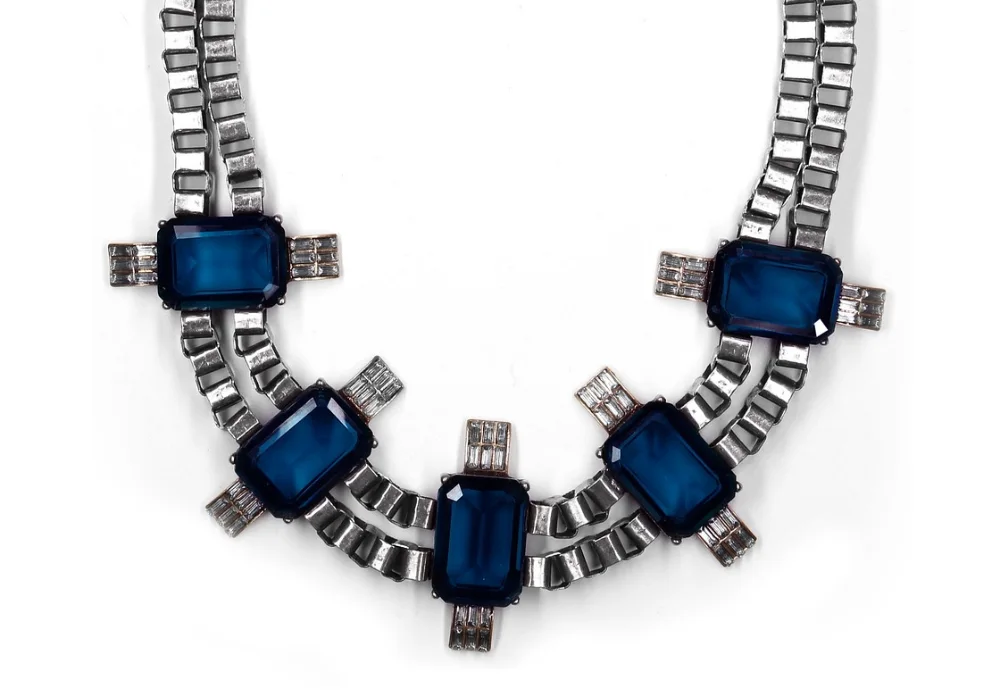
Retail markup is another factor that affects diamond necklace prices. Jewelers add a margin to cover their overhead, marketing, and profit. This markup can vary significantly between stores and between natural and lab grown diamonds. Because lab grown diamonds have a lower wholesale cost, the retail markup might feel smaller in absolute terms, but the percentage can be similar. Insurance value is another consideration. Natural diamonds often require a higher insurance premium because their replacement cost is higher. Lab grown diamonds may be cheaper to insure, but some insurers treat them differently, so it is wise to check.
When Each Option Suits You Best
Choosing between a natural and a lab grown diamond necklace comes down to what matters most to you. If you value tradition, rarity, and the potential for long-term value retention, a natural diamond necklace is likely the better fit. It is a classic choice for an engagement necklace, a milestone gift, or a piece meant to become a family heirloom. The story of the earth-crafted stone adds a layer of meaning that many people find irreplaceable.
On the other hand, if your priority is getting the most sparkle for your budget, or if you are concerned about the ethical and environmental impact of mining, a lab grown diamond necklace is a smart choice. It allows you to choose a larger or higher-quality stone without stretching your finances. It is also a great option for fashion-forward pieces that you might update more frequently, or for a younger buyer just starting to build a jewelry collection.
Some buyers even choose to mix both types in their collection. A natural diamond necklace for special occasions and a lab grown piece for everyday wear gives you the best of both worlds. The key is to make an informed decision based on your own values and circumstances, rather than following trends or pressure from salespeople. Take the time to compare stones side by side, read the grading reports, and ask questions about the origin and treatment of the diamonds.
Practical Tips for Buying a Diamond Necklace
Whether you go natural or lab grown, a few practical steps will help you get the best value. First, set your budget before you start shopping. Knowing how much you want to spend keeps you focused and prevents overspending on features you do not need. Second, learn the basics of the four Cs so you can evaluate stones with confidence. A diamond grading report from a trusted lab like GIA or IGI is essential for natural diamonds; for lab grown stones, look for reports from labs that specifically grade lab grown diamonds.
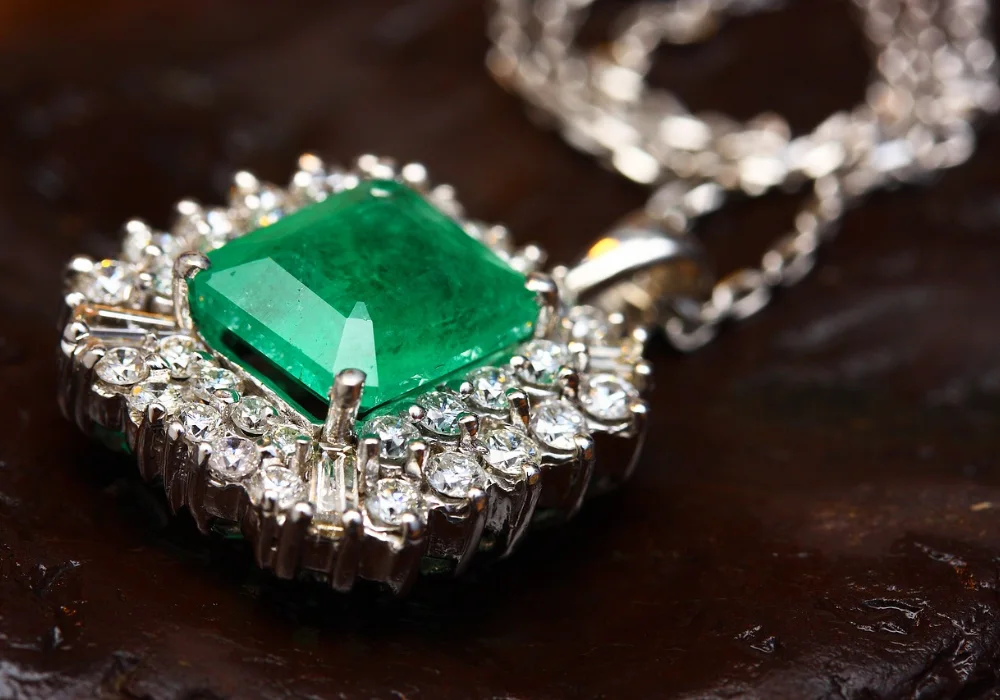
Third, consider the total carat weight of the necklace and how it is distributed. A necklace with many small diamonds might look less impressive than one with fewer, larger stones, even if the total carat weight is the same. The setting also affects the overall look. A well-designed setting can make smaller diamonds appear larger and more brilliant. Finally, think about the metal purity and the style of the clasp. A secure clasp is important for a necklace you will wear often, and a higher-karat gold or platinum setting will last longer.
In the end, the best diamond necklace is the one that makes you feel confident and happy when you wear it. Whether you choose a natural stone with a story millions of years in the making, or a lab grown stone that represents modern ingenuity, the piece should reflect your personal style and the occasion it marks. Take your time, do your research, and buy from a jeweler you trust. The right necklace will bring you joy for years to come.